Out here at Mother Luck Ranch, we spend a lot of time thinking about systems. Soil systems. Animal systems. Ecosystems. The human body is no different. When a system begins drifting out of balance, it rarely collapses overnight. It sends signals first.
Prediabetes is one of those signals.
In conventional medicine, prediabetes is often treated as a statistical category. Your lab number crosses a line, and suddenly you’re labeled “prediabetic.” But in traditional healing systems—naturopathy, herbalism, and ancestral nutrition—it’s seen differently.
Prediabetes is the body telling you that your metabolic fire is struggling to burn fuel cleanly.
The good news is that at this stage, the system is still highly responsive. With the right inputs, blood sugar regulation can often return to balance.
Understanding the Metabolic Fire
Every traditional healing system recognized that digestion and metabolism are central to health. In Ayurveda it’s called agni, the digestive fire. In Traditional Chinese Medicine it relates to the spleen and stomach energy. In Western naturopathy we simply talk about metabolic function.
When the metabolic fire weakens, several things begin to happen:
Glucose rises more easily after meals. The pancreas releases more insulin to compensate. Inflammation begins creeping upward. Energy becomes less stable. Cravings increase. Weight often accumulates around the abdomen.
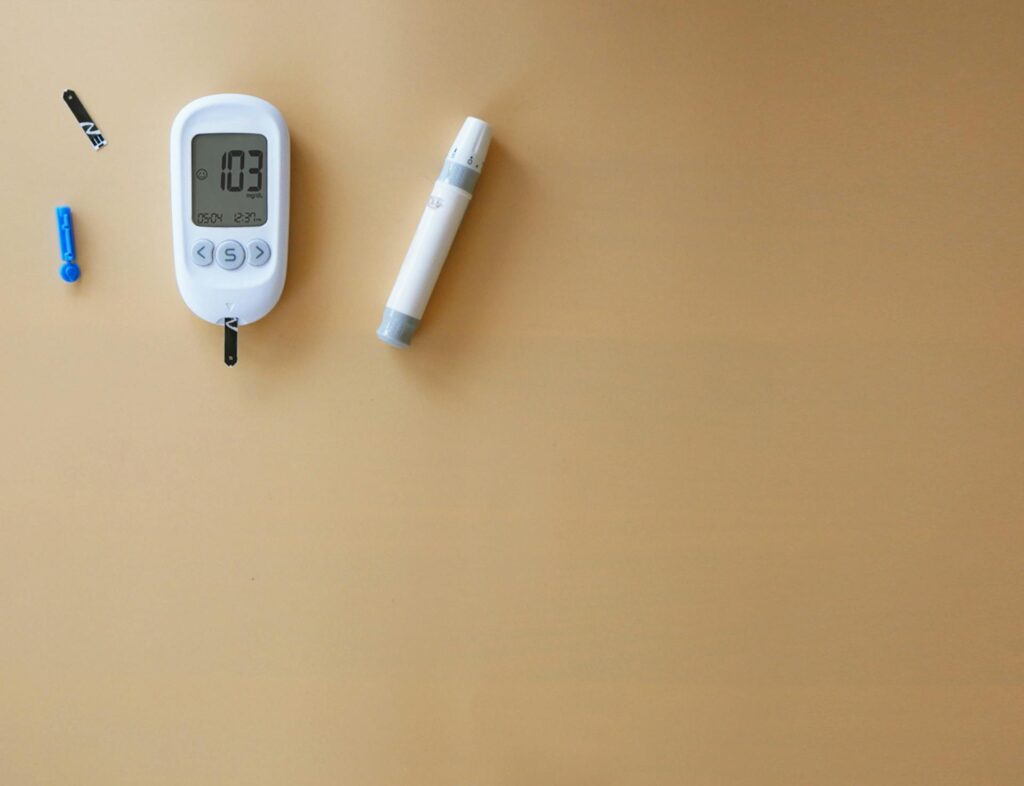
These shifts show up on labs as rising hemoglobin A1c or fasting glucose. But the metabolic imbalance usually begins years earlier.
Fortunately, restoring the metabolic fire is often very achievable.
Start With Mineral Repletion
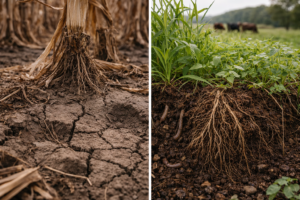
Modern soils are depleted of minerals, and modern bodies often reflect that depletion.
Magnesium is one of the most critical minerals involved in blood sugar regulation. It acts as a cofactor in hundreds of enzymatic reactions, including those that allow insulin to move glucose into cells.
Low magnesium status is extremely common and is strongly associated with insulin resistance.
Magnesium glycinate is often used in naturopathic practice because it is well absorbed and gentle on the digestive system. Many people benefit from 200–400 mg in the evening, which also supports sleep and nervous system balance.
Chromium is another trace mineral that helps insulin communicate with cells. While large supplemental doses aren’t always necessary, chromium-rich foods such as broccoli, eggs, and pasture-raised meats provide natural support.
Rebuild the Blood Sugar Curve Through Food
The fastest way to calm unstable blood sugar is to stabilize the structure of meals.
Meals built primarily around protein, fat, and fiber slow glucose absorption and reduce insulin spikes. This approach has deep roots in ancestral diets, where carbohydrates were typically consumed alongside fats and proteins rather than in isolation.
A simple framework is to build meals around:
- Pasture-raised meats and eggs
- Wild-caught fish
- Healthy fats like olive oil, butter, and tallow
- Leafy greens and mineral-rich vegetables
- Fermented foods that support the microbiome
Highly refined carbohydrates, sweetened beverages, and ultra-processed foods are the biggest drivers of blood sugar instability. Reducing these inputs allows the metabolic system to recalibrate.
Walking after meals—even ten minutes—can dramatically improve glucose regulation by allowing muscles to absorb circulating sugar.
Herbal Support for Insulin Sensitivity
Herbal medicine has long offered tools to help regulate blood sugar.
Berberine-containing plants such as Oregon grape root and barberry have been used traditionally to support metabolic function. Berberine is known for its ability to improve insulin sensitivity and help regulate glucose metabolism.
Cinnamon is another traditional ally. Beyond its flavor, it has compounds that may slow carbohydrate absorption and support balanced blood sugar after meals.
Gymnema sylvestre, sometimes called the “sugar destroyer,” has been used in Ayurvedic medicine to support healthy glucose metabolism and reduce sugar cravings.
Bitter herbs such as dandelion root and gentian stimulate digestive secretions and support liver function, both of which influence metabolic balance.
These herbs are typically used as teas or tinctures in traditional practice, allowing the body to receive gentle but consistent support.
Calm the Stress Axis
Blood sugar is deeply tied to the nervous system.
When the body perceives stress, cortisol rises. Cortisol’s job is to raise blood sugar so the body has fuel for action. Chronic stress therefore keeps blood sugar elevated even in the absence of food.
Adaptogenic herbs have long been used to help the body regulate this stress response.
Ashwagandha is known for its ability to calm the nervous system and reduce cortisol output. Holy basil has similar effects and has been used traditionally to support both stress resilience and metabolic balance.
Breathwork and time outdoors also help restore parasympathetic nervous system activity. A calm nervous system allows the body to return to efficient metabolic regulation.
Shopping List



Restore Sleep to Restore Metabolism
Sleep is often the missing pillar in metabolic health.
Poor sleep raises cortisol, increases appetite hormones, and worsens insulin resistance. Conditions like obstructive sleep apnea—often associated with snoring—can significantly worsen blood sugar regulation.
Improving sleep hygiene, reducing evening stimulation, and ensuring the airway remains open during sleep can dramatically improve metabolic outcomes.
Movement as a Daily Medicine
Muscle is one of the body’s most powerful tools for controlling blood sugar.
When muscles contract during activity, they absorb glucose directly from the bloodstream. This process bypasses some of the insulin signaling that becomes impaired during insulin resistance.
Strength training, walking, manual labor, and outdoor work all help restore metabolic flexibility.
The goal isn’t extreme exercise but consistent daily movement.
The Opportunity Hidden in the Diagnosis
Prediabetes often arrives as an unwelcome surprise on a lab report. But from a holistic perspective, it’s one of the most valuable early warnings the body can provide.
At this stage, the metabolic system is still flexible. With the right nourishment, movement, and restorative practices, blood sugar regulation can often return to balance.
Just like depleted soil can be restored through regenerative stewardship, the human metabolism can recover when the ecosystem surrounding it is rebuilt.
Prediabetes isn’t the end of the story. For many people, it’s the moment they begin paying attention to the deeper rhythms of health.
Disclaimer
According to the FDA, only medical professionals can give medical advice. Neither Julie nor Neil are “medical professionals” or “qualified health providers.” We believe in educating ourselves and our community on holistic alternatives to allopathic medicine. As such, the FDA legally restricts the language we can use as citizens and business owners in the United States of America.
The information provided in this article is for educational purposes only and is not intended as a substitute for professional advice, diagnosis, or treatment. Always seek the advice of a qualified health provider with any questions you may have regarding a medical condition. Never disregard professional advice or delay in seeking it because of something you have read in this article. The use of any information provided in this article is solely at your own risk.